You’ve taken a big step with your hair transplant, and now the real work begins—caring for your new hair during that crucial first month. What you do in these early weeks can make a huge difference in how well your hair grows and how natural it looks.
Wondering how to protect your investment and avoid common mistakes? This guide will walk you through exactly what you need to know, helping you feel confident and in control every step of the way. Keep reading to discover simple, effective tips that will set you up for the best results possible.

Credit: www.my-hair.uk
First Weeks Recap
The first few weeks after a hair transplant are crucial for recovery. This period sets the stage for healthy hair growth and successful results. Understanding what happens during these weeks helps you care for your scalp properly and avoid problems.
Initial Healing Process
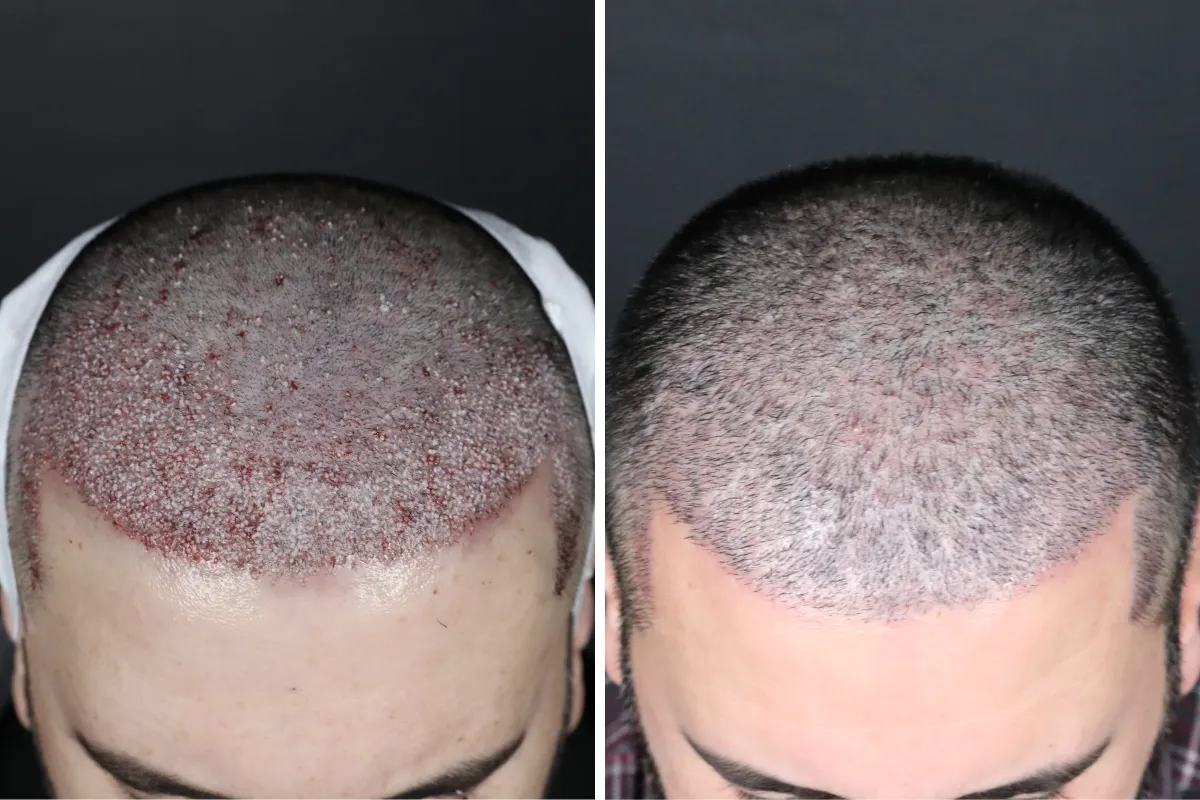
Right after the transplant, your scalp will begin to heal. Tiny scabs form around the new hair follicles. These scabs protect the area and fall off naturally within 7 to 10 days. Redness and mild swelling are common. The skin starts to repair itself quickly, but it remains sensitive.
Common Side Effects
- Itching in the transplanted area is normal.
- Mild pain or discomfort may occur, usually easing after a few days.
- Some people notice slight numbness around the treated spots.
- Shedding of transplanted hair can begin in the second or third week.
These side effects are typical and usually fade with time. Follow your doctor’s advice to manage them safely.
What To Expect
Expect visible signs of healing during the first month. The scalp may look red or pink. Hair shedding is part of the natural cycle and does not mean failure. New hair growth often starts around the third month. Patience is key as full results take time.
Credit: haircenterofturkey.com
Daily Hair Care Routine
One month after your hair transplant, your daily hair care routine plays a crucial role in supporting healthy growth. Your scalp is still sensitive, and the new follicles need gentle attention to thrive. This is the time to treat your hair with care, using the right techniques and products to avoid damage.
Gentle Washing Techniques
Use lukewarm water to wash your hair, as hot water can irritate the scalp. Instead of rubbing, gently massage your scalp with your fingertips to clean without disturbing the grafts. Pat your hair dry with a soft towel rather than rubbing vigorously.
Have you noticed how harsh scrubbing can cause redness or discomfort? Treat your scalp like a delicate surface that needs soft handling. This small change can prevent inflammation and support the healing process.
Recommended Hair Products
Choose shampoos and conditioners that are free from sulfates, parabens, and alcohol. These ingredients can dry out your scalp and weaken new hair follicles. Look for products labeled as moisturizing or designed for sensitive scalp care.
Some gentle options include baby shampoos or those formulated specifically for post-transplant care. Adding a mild leave-in conditioner can also help keep your scalp hydrated without weighing down your hair.
Avoiding Harsh Treatments
Steer clear of chemical treatments like coloring, perming, or straightening for at least three months after your transplant. These can cause irritation and damage to the fragile new hair follicles. Also, avoid heat styling tools such as blow dryers and curling irons.
Have you ever experienced scalp redness or itching after using strong hair products? Now is the time to give your scalp a break. Focus on natural drying and gentle styling methods to support your hair’s growth journey.
Protecting Your Scalp
Protecting your scalp one month after a hair transplant is crucial to ensure the new hair follicles take root and grow strong. At this stage, your scalp is still healing and needs gentle care to avoid damage. Paying attention to daily habits can make a big difference in the success of your transplant.
Sun Exposure Precautions
Direct sunlight can harm your sensitive scalp and slow down healing. You should avoid prolonged sun exposure, especially during peak hours between 10 AM and 4 PM.
Wearing a loose, breathable hat can shield your scalp without causing irritation. If you must be outside, apply a gentle sunscreen recommended by your doctor to protect the transplant area.
Have you noticed how even a short time in the sun can cause discomfort or redness on your scalp? It’s a clear sign your skin is still vulnerable.
Avoiding Physical Trauma
Protecting your scalp from bumps and scratches is essential. Avoid activities that might cause accidental hits or rubbing against rough surfaces.
Be mindful when wearing helmets, hats, or glasses to prevent unnecessary pressure on the transplanted area. Even small impacts can disrupt the healing follicles.
Think about your daily routine—are there moments when your head could accidentally hit a doorframe or pillow? Adjusting these habits can safeguard your results.
Sleeping Positions
How you sleep affects your scalp’s recovery. Try to avoid sleeping directly on the transplanted area to reduce pressure and friction.
Sleeping on your back with your head slightly elevated helps minimize swelling and keeps the scalp safe. Using a soft, clean pillowcase can also reduce irritation.
Have you considered changing your usual sleeping position to protect your new hair? This small change can significantly impact your healing process.
Diet And Hydration
One month after your hair transplant, your body is still healing, and what you eat and drink plays a big role in how well your new hair grows. Proper diet and hydration provide the nutrients and moisture your scalp needs to stay healthy. Paying attention to these details can speed up recovery and improve the quality of your hair growth.
Foods That Promote Hair Growth
Your hair needs specific nutrients to grow strong and healthy. Protein is essential because hair is made of a protein called keratin. Include foods like eggs, chicken, fish, and beans in your meals to provide enough protein.
Vitamins like A, C, D, and E support scalp health and hair strength. Eat plenty of colorful fruits and vegetables such as carrots, spinach, and berries. Don’t forget zinc and iron from nuts, seeds, and lean meats—they help repair hair follicles.
Staying Hydrated
Water keeps your scalp hydrated and supports the transport of nutrients to your hair follicles. Aim to drink at least 8 glasses of water every day. If you find plain water boring, try herbal teas or water infused with lemon or cucumber slices for a refreshing twist.
Dehydration can make your scalp dry and flaky, which may slow down hair growth. Have you noticed how your skin feels when you don’t drink enough water? Your scalp is no different—it needs moisture to stay healthy.
Supplements To Consider
If your diet lacks some nutrients, supplements can help fill the gap. Biotin, vitamin D, and omega-3 fatty acids are popular choices that support hair growth. Always check with your doctor before starting any new supplements, especially after surgery.
Some people find that taking a multivitamin designed for hair health keeps their progress steady. Have you thought about which nutrients your diet might be missing? A simple blood test can give you clear answers.
Activity Restrictions
One month after a hair transplant, your scalp needs gentle care. Activity restrictions help protect new hair follicles. These limits reduce risks of damage and promote healing. Following simple rules supports your transplant success and comfort.
Exercise Guidelines
Light exercise is fine but avoid heavy workouts. Intense activities raise blood pressure and cause sweating. Sweating may irritate the healing scalp and cause infections. Choose walking or gentle stretching over running or weight lifting. Keep workouts under 30 minutes and stop if you feel discomfort.
Avoiding Swimming And Saunas
Swimming pools and saunas can harm your scalp after transplant. Chlorine and saltwater irritate the sensitive skin. Heat from saunas increases swelling and slows healing. Wait at least two months before swimming or using saunas. Protect your scalp from harsh chemicals and heat during recovery.
Managing Stress
Stress affects hair growth negatively. High stress can cause hair loss or slow healing. Practice relaxation techniques such as deep breathing or meditation. Get enough sleep and rest your body daily. Reducing stress supports healthy hair growth after transplant.
Monitoring Progress
Monitoring your progress one month after a hair transplant is crucial. This stage shows early signs of how well your new hair is growing. Careful observation helps catch any issues early and supports healthy recovery.
Track your hair growth and scalp condition regularly. Note changes in texture, density, and any discomfort. Paying attention now sets the path for successful results in the coming months.
Signs Of Healthy Growth
- New hair appears thin and fine at first.
- Hair shafts grow steadily from transplanted follicles.
- Scalp looks clean without redness or swelling.
- No excessive itching or pain is present.
- Hair falls out gently, then regrows stronger.
When To Contact Your Doctor
- Severe pain or swelling lasts beyond a few days.
- Signs of infection such as pus or bad odor appear.
- Sudden, large patches of hair loss occur.
- Skin becomes very red or blistered.
- Any unusual symptoms that worry you.
Tracking Changes
Keep a weekly photo record of your scalp. Compare images to see hair growth progress clearly. Note any scalp sensations or visible changes in a journal. This record helps your doctor assess healing during follow-ups.
Tracking changes also motivates you to stick to care routines. It provides proof of improvement even when growth feels slow.
Long-term Care Tips
Long-term care after a hair transplant is vital for lasting results. The first month sets the stage, but ongoing care supports healthy growth. Proper habits help keep your scalp strong and hair vibrant. These tips focus on daily actions and regular monitoring to protect your investment.
Maintaining Scalp Health
Keep your scalp clean and moisturized to avoid dryness or irritation. Use gentle shampoos designed for sensitive skin. Avoid harsh chemicals or heavy products that clog pores. Protect your scalp from direct sunlight by wearing a hat or using sunscreen. Stay hydrated and eat a balanced diet to nourish your scalp from within.
Regular Checkups
Schedule follow-up visits with your transplant specialist. They monitor hair growth and scalp condition. Early detection of any issues ensures timely treatment. Discuss any concerns like itching, redness, or unusual hair loss. These appointments help maintain progress and adjust care if needed.
Adjusting Hair Care Routine
After the first month, slowly reintroduce styling products and tools. Choose mild shampoos and conditioners that promote hair strength. Avoid excessive heat from dryers or straighteners. Limit hairstyles that pull on your hair, such as tight ponytails. Trim hair regularly to keep it neat and healthy.
Credit: turkeyluxuryclinics.com
Frequently Asked Questions
How Should I Care For My Scalp One Month After Transplant?
One month post-transplant, gently wash your scalp with mild shampoo. Avoid direct sunlight and refrain from scratching. Follow your surgeon’s advice for moisturizing and medication to support healing and hair growth.
When Can I Resume Normal Hair Washing Routines?
You can resume normal hair washing about four weeks after the transplant. Use a gentle shampoo and avoid harsh rubbing to protect new grafts. Pat your scalp dry softly to prevent irritation.
Is It Normal To Experience Itching One Month After Transplant?
Yes, mild itching is common as the scalp heals. Avoid scratching to prevent damage or infection. Use recommended moisturizing sprays or lotions to soothe the scalp.
Can I Use Hair Styling Products After One Month?
It is generally safe to use light styling products after one month. Avoid heavy gels or sprays that might clog pores. Always opt for gentle, non-irritating formulas to protect new hair follicles.
Conclusion
Caring for your hair transplant is crucial for great results. Follow the guidelines and be patient. Clean your scalp gently and avoid harsh treatments. Use recommended products for better healing. Stay hydrated and eat a balanced diet. Avoid intense physical activities.
Protect your scalp from the sun. Regular check-ups with your doctor are vital. Healing takes time, so remain patient. Trust the process and soon, enjoy your new hair growth. Your dedication will lead to a successful hair transplant journey.
